How to Sort Garbage in Japan: The Complete Step-by-Step Guide for Foreigners
Confused about Japan's garbage sorting rules? This guide covers every category — burnable, non-burnable, recyclables, PET bottles, and large items — with practical tips for foreigners living in Japan.
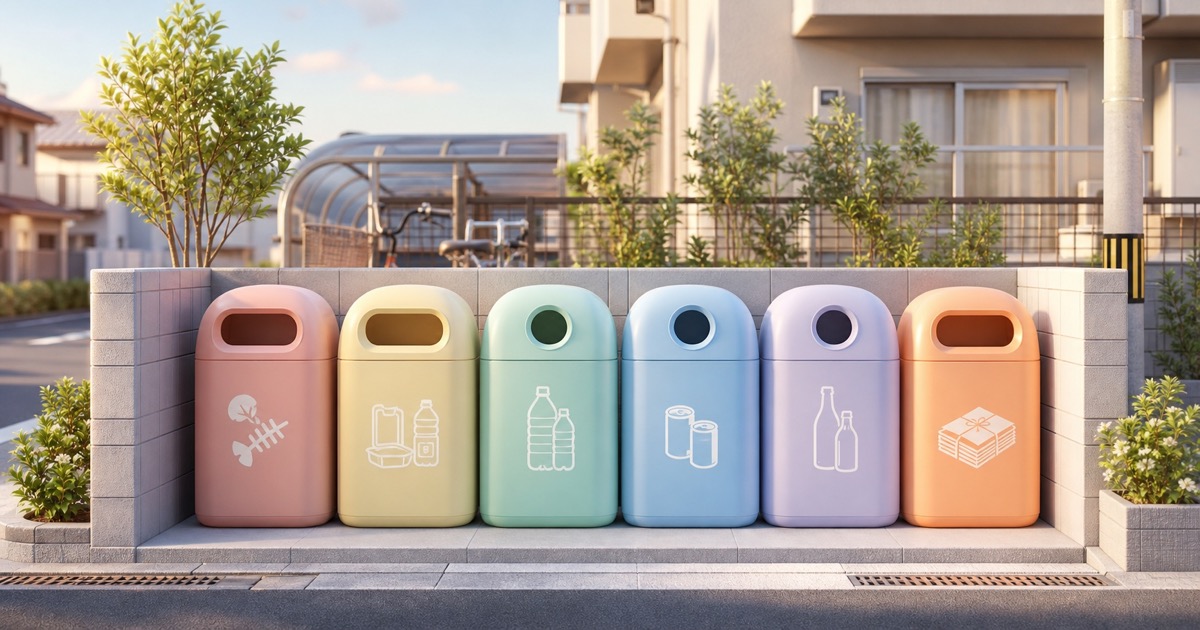
Japan has one of the most rigorous garbage sorting systems in the world. For foreigners, the first encounter with five or more different colored bins — each accepting only specific types of waste — can feel overwhelming. But once you understand the logic behind the system, it becomes manageable and even intuitive.
This guide walks you through every major garbage category in Japan, what goes in each one, the unwritten rules locals follow, and practical tips for making sorting part of your daily routine.
Why Japan Sorts Garbage So Carefully
Japan's land area is limited, and landfill space is scarce. In response, Japan developed one of the world's most sophisticated waste management systems. A significant portion of waste is incinerated in high-tech facilities (some even generate electricity), recyclables are processed domestically, and local communities take pride in maintaining clean sorting practices.
This is not bureaucracy for its own sake — it directly reduces environmental impact and keeps the country's famously clean streets clean.
The Main Garbage Categories Explained
1. Burnable (Combustible) Garbage — 可燃ごみ / もえるごみ
What goes in: Food scraps, paper (tissue, paper towels, receipts, wax-coated packaging), small pieces of wood, rubber, leather, dirty plastic that cannot be cleaned, sanitary items, diapers, contaminated food packaging.
Key point: This is typically the most frequent collection — often 2–3 times per week. When in doubt, burnable is usually where items end up.
Bag: Use designated burnable garbage bags (specified by your city/ward). In many cities, these are semi-transparent and specific colors like pink or yellow.
Preparation: No rinsing required for food waste, but flatten cardboard packaging and shake out excess liquid. Diapers should be folded and wrapped in the original bag if possible.
2. Non-Burnable (Incombustible) Garbage — 不燃ごみ / もえないごみ
What goes in: Ceramics, glassware, mirrors, small metal items (bolts, nails, coat hangers), broken umbrellas, small electronics not covered by home appliance recycling law, certain plastics that melt without burning cleanly, spray cans (fully emptied), lighters (emptied).
Key point: Non-burnable collection is infrequent — usually 1–2 times per month. Plan ahead so you don't miss it.
Preparation: Spray cans must be completely emptied of gas before disposal — puncture if required by your city. Lighters must be emptied of fuel. Never throw these in burnable garbage as they can explode during incineration.
3. PET Bottles — PETボトル
What goes in: Plastic bottles with the PET triangle recycling symbol on the label. This includes water bottles, sports drinks, tea bottles, juice bottles, condiment bottles.
Key rules (ALWAYS follow):
- Remove the cap — separate disposal
- Remove the label — peel off the entire label
- Rinse — wash out until clean
- Crush — flatten the bottle to save space
Not PET: Yogurt containers, mayonnaise bottles, condiment squeeze bottles — these are typically "plastic containers" (容器包装プラスチック), not PET bottles.
4. Plastic Containers and Packaging — 容器包装プラスチック
What goes in: Plastic bags (shopping bags, zip-lock bags), plastic trays and containers from meat/fish/vegetables, plastic wrappers, plastic bottle caps, plastic straws, foam packing.
Key rule: Items must be clean — rinse out food residue. Heavily soiled plastic (greasy takeout containers) goes in burnable garbage.
Symbol to look for: The plastic recycling symbol (プラ) on the packaging. If it says プラ, it's usually plastic containers/packaging.
5. Cans — 缶
What goes in: Aluminum cans (drinks), steel cans (food, drinks), aerosol cans.
Preparation:
- Rinse cans
- Crush if possible
- Aerosol cans must be fully emptied before disposal (use in ventilated area)
6. Glass Bottles — ビン・ガラスびん
What goes in: Glass bottles for beverages, sauces, condiments, cosmetics.
Key notes:
- Separate from broken glass (broken glass often goes in non-burnable with wrapping)
- Caps removed and disposed separately (metal cap → cans, plastic cap → plastic containers)
- Some glass bottles can be returned at stores (deposit return system)
7. Paper and Cardboard — 紙類・古紙
What goes in: Newspapers, magazines, cardboard boxes, paper bags, clean paper packaging, wrapping paper.
Preparation:
- Flatten and bundle with string (tie in a cross pattern)
- Remove plastic tape and plastic windows from cardboard
- Paper should be dry and clean
Not paper: Wax-coated paper, oil-stained paper (pizza boxes), receipts (thermal paper), tissues — these go in burnable.
8. Large-Size Waste (Bulky Items) — 粗大ごみ
What goes in: Furniture (tables, chairs, shelves), bicycles, futon/bedding, large appliances not covered by home appliance recycling law, items over a certain size (typically over 30cm on one side).
How to dispose:
- Contact your ward's large-item waste service by phone or online
- Get a collection date
- Purchase a processing ticket (粗大ごみ処理券) at a convenience store
- Attach the ticket and place the item at the designated spot on collection day
9. Home Appliance Recycling — 家電リサイクル
Special category: Air conditioners, TV sets, refrigerators, washing machines, and dryers are covered under Japan's Home Appliance Recycling Law. They CANNOT go in regular garbage.
Options:
- Return to retailer when buying a new one
- Contact a licensed recycling company
- Contact the manufacturer directly
The Unwritten Rules of Japanese Garbage
Beyond the official categories, these unwritten practices matter enormously in Japan:
1. Always take garbage to the collection point on collection day morning. Never leave bags the night before — crows are a serious problem in many urban areas.
2. Use the correct designated garbage bags. Most cities require official bags that you purchase at convenience stores or supermarkets. Using black plastic bags (which hide contents) is often not allowed.
3. Use designated collection points (ゴミステーション). Don't leave garbage in front of your own door — find your building's or neighborhood's designated point.
4. Do not mix categories. Even one wrong item can result in your entire bag being rejected with a yellow sticker on it.
5. Be quiet when taking out garbage early. Loud dragging of bags before 6am disturbs neighbors.
How to Read Garbage Bag Labels in Japan
Most areas require specific bags sold at convenience stores (コンビニ), supermarkets, and drugstores. Look for:
- 名称 (category name): Burnable / Non-burnable / Recyclable
- 地域名 (area name): Your city or ward name on the bag
- 半透明 (semi-transparent): Required in many areas so collectors can verify contents
Keep a small stock of each type at home to avoid running out.
Your First Week Sorting Checklist
- Find out your ward's specific categories (some wards combine PET bottles and cans into one collection)
- Get the collection day schedule for your address
- Buy the correct garbage bags for each category
- Find your building's garbage collection point (ゴミステーション)
- Set up phone reminders for each collection day
- Download GomiSense for daily reminders and category lookup
When You're Not Sure What Category an Item Falls In
Use these quick decision rules:
- Is it food? → Burnable
- Is it a PET bottle with the PET symbol? → Rinse and recycle
- Is it a can? → Rinse and recycle
- Is it glass? → Rinse and recycle
- Is it clean plastic packaging? → Plastic containers
- Is it dirty, mixed, or you just can't tell? → Burnable (when in doubt)
- Is it over 30cm on one side? → Large-item waste (requires appointment)
The GomiSense app's camera scan feature can identify almost any item in seconds — just take a photo and the AI tells you which category it belongs to and when it's collected in your area.
Summary: Japan's Garbage Categories at a Glance
| Category | Japanese | Frequency |
|---|---|---|
| Burnable garbage | 可燃ごみ | 2–3x per week |
| Non-burnable garbage | 不燃ごみ | 1–2x per month |
| PET bottles | PETボトル | 1x per week |
| Plastic containers | 容器包装プラスチック | 1x per week |
| Cans | 缶 | 1x per week |
| Glass bottles | ビン | 1x per week or bimonthly |
| Paper/Cardboard | 紙類 | 1–2x per month |
| Large items | 粗大ごみ | By appointment |
Japan's waste system is detailed, but it is also logical. Once you know the categories and your collection schedule, sorting takes just a few extra seconds per item — and you'll be contributing to one of the world's most effective recycling systems.
Related Guides
Back to BlogJapan Apartment Move-Out Trash Guide: What to Do With Your Garbage Before You Leave
Moving out of a Japan apartment? This checklist covers everything: how to dispose of furniture, appliances, food waste, and oversized items before you hand back the keys. Avoid deposit penalties and neighborhood complaints.
Read article →Where to Donate or Recycle Electronics in Japan (2026)
Find the correct route for old phones, PCs, TVs, batteries, and small appliances in Japan, including trade-in, reuse, retailer, and ward collection options.
Read article →Japan Garbage Collection Days: Find Your Ward Schedule
Find burnable, recyclable, non-burnable, and bulky-waste collection days in Japan using official ward schedules, address tables, and reminder tools.
Read article →